
Blind Spot Monitoring Installation: Is It Worth the Upgrade for Calgary Drivers?
Changing lanes should be simple, but every vehicle has areas that mirrors cannot fully show. A vehicle travelling beside or slightly behind you can disappear into that blind zone, creating a risk during lane changes, merging, and busy parking-lot manoeuvres.
That is where blind spot monitoring can help. For drivers in Calgary and throughout Southern Alberta, a professionally installed system can provide an extra layer of awareness during winter commutes, highway driving, urban traffic, and commercial vehicle operation.
But is blind spot monitoring installation worth the investment? For many drivers, the answer is yes: provided the system is properly selected, installed, calibrated, and used as a supplement to attentive driving.
What Is Blind Spot Monitoring?
Blind spot monitoring uses sensors to detect vehicles travelling in areas that are difficult to see through the side and rear-view mirrors. Depending on the system, the sensors may use radar, cameras, ultrasonic technology, or a combination of components.
When another vehicle enters the monitored area, the system usually provides a visual warning through:
- An indicator mounted on the side mirror
- A small light on the A-pillar or door
- An alert on an in-dash display
- An audible warning when the turn signal is activated
- A vibration alert through the steering wheel or seat on some systems
Transport Canada explains that blind spot warning systems are designed to identify vehicles outside the driver’s direct view and notify the driver with lights, sounds, icons, or vibration. However, the technology does not replace mirror checks or shoulder checks.
Aftermarket blind spot monitoring installation makes these features available for older vehicles, trucks, vans, and other vehicles that were not equipped with the technology from the factory.
Why Calgary Drivers May Benefit From the Upgrade
Calgary driving involves a mix of busy multi-lane roads, changing weather, construction zones, crowded parking areas, and frequent highway travel. A blind spot monitoring system can be particularly useful in several everyday situations.
Winter visibility and road spray
Snow, salt, slush, and road spray can make it harder to see clearly through mirrors. Windows may fog, and dirty spray can reduce visibility at the exact time you need to change lanes or merge.
A blind spot warning system can provide an additional alert when another vehicle is beside you. It does not eliminate the need to clean your mirrors and windows, but it can help draw your attention to a vehicle that may otherwise be difficult to see.
Drivers should remember that heavy snow, ice, mud, or bumper damage can affect sensor performance. Keeping the sensor areas clean and having the system checked after a collision or bumper repair is important for reliable operation.
Lane changes on Calgary roads
Whether you are travelling on Deerfoot Trail, Stoney Trail, Glenmore Trail, or another busy Calgary route, lane changes can happen quickly. Vehicles may approach from behind at different speeds, while traffic in adjacent lanes can make it difficult to judge distance.
Blind spot monitoring can warn you when a vehicle is occupying the adjacent blind zone. Some systems provide a steady visual indicator when a vehicle is detected and a more noticeable alert if you activate the turn signal while the lane is occupied.
This is especially helpful in larger vehicles, including pickups, SUVs, vans, and work trucks. Their size and seating position can create larger blind spots than those found in smaller cars.
Busy parking lots and urban manoeuvres
Blind spot monitoring is not only useful on highways. Calgary parking lots can be challenging when vehicles, pedestrians, carts, and other obstacles move unpredictably around parked cars.
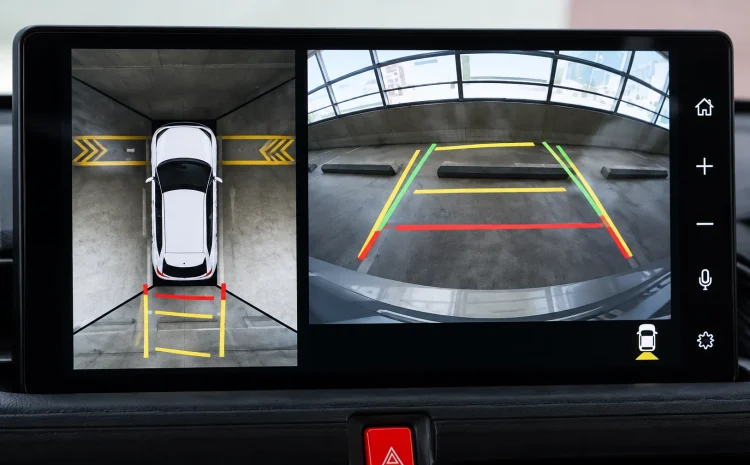
Depending on the equipment installed, a driver safety package may combine blind spot coverage with cameras, backup sensors, or cross-traffic awareness. These features can make it easier to monitor the sides and rear of a vehicle while backing out of a stall or moving through a tight loading area.
A camera system may also integrate with the vehicle’s existing display. Wright ReStyling’s car camera and backup sensor services are designed around the vehicle, its existing screen, and the driver’s safety goals.
What Happens During Blind Spot Monitoring Installation?
A professional installation involves more than simply mounting two sensors and connecting wires. The system must be positioned correctly so it can monitor the intended area without creating unnecessary false alerts.
1. Vehicle and system assessment
The installer first reviews the vehicle’s make, model, bumper design, existing electronics, and available display options. The best setup for a compact car may not be suitable for a full-size truck or commercial van.
The installer can also discuss whether you need blind spot monitoring alone or a broader safety package that includes cameras, backup sensors, or commercial vehicle coverage.
2. Sensor placement
Radar sensors or other detection components are generally positioned near the rear bumper or rear quarter areas. Their height, angle, and distance from one another affect the area they can monitor.
Poor positioning can result in missed detections, excessive false warnings, or inconsistent performance. This is one of the main reasons professional blind spot monitoring installation is preferable to an unverified DIY setup.
3. Indicator and wiring installation
The visual warning indicators need to be easy to notice without distracting the driver. Wiring should be routed cleanly and securely, with connections protected from vibration, moisture, and everyday use.
A quality installation should preserve the vehicle’s interior appearance rather than leaving loose wires, poorly fitted trim, or distracting aftermarket components in view.
4. Testing and calibration
Once the components are installed, the system should be tested in realistic conditions. The installer checks warning indicators, turn-signal alerts, audible notifications, sensor coverage, and integration with the vehicle’s electrical system.
Calibration is particularly important for radar-based equipment. If the sensors are not aimed correctly, the system may not detect vehicles in the intended zones.
Is Aftermarket Blind Spot Monitoring Worth It?
For many Calgary vehicle owners, aftermarket blind spot monitoring offers good practical value. It can be worth considering if you:
- Drive daily in heavy traffic
- Frequently use multi-lane highways
- Own an older vehicle without factory safety technology
- Drive a pickup, SUV, van, or RV
- Share a vehicle with less experienced drivers
- Regularly travel in winter conditions
- Operate a commercial vehicle or fleet
- Want additional awareness when parking or changing lanes
The value is not limited to preventing one specific type of incident. The system can support safer habits across many ordinary driving situations. A visual warning may prompt you to wait a moment longer before moving over, while an audible alert can draw your attention to a vehicle you did not notice immediately.
However, blind spot monitoring should be treated as a driver-assistance feature: not an autonomous safety system. Drivers must continue checking mirrors, signalling early, looking over their shoulder, and judging whether a lane change is safe.
Blind Spot Monitoring for Commercial Vehicles and Fleets
Commercial vans, trucks, service vehicles, and fleet vehicles often have larger blind zones than passenger cars. Drivers may also spend more time changing lanes, entering loading areas, reversing near job sites, and operating in crowded commercial yards.
For fleet managers, blind spot monitoring can be part of a broader vehicle safety strategy. Depending on the vehicle and system, additional cameras may help cover side or rear areas that are difficult for the driver to see.
Wright ReStyling also provides commercial vehicle camera solutions for businesses that need better visibility and recorded footage. A properly selected camera and monitoring setup can help with driver awareness, incident review, and reducing uncertainty after a collision.
Before choosing equipment for a fleet, it is important to consider vehicle size, operating environment, weather exposure, driver turnover, and whether multiple vehicles need the same installation standard.

Choosing the Right Installation Shop
The equipment matters, but installation quality matters just as much. When comparing providers for blind spot monitoring installation in Calgary, ask how the system will be mounted, how the sensors will be calibrated, and how it will integrate with your vehicle.
Look for an installer that can:
- Assess your specific vehicle rather than recommending one solution for every model
- Install sensors and indicators cleanly
- Protect wiring from moisture, heat, and vibration
- Test the system after installation
- Explain the system’s limitations and maintenance needs
- Provide support if the vehicle’s bumper, mirrors, or electrical system is later repaired
A local shop can also help you choose between blind spot monitoring, camera coverage, backup sensors, or a combination of features. The right option depends on how and where you drive.
Final Verdict for Calgary Drivers
Blind spot monitoring installation is worth considering for Calgary drivers who want additional awareness during lane changes, winter commutes, parking-lot manoeuvres, and commercial vehicle operation. It is especially valuable for older vehicles and larger vehicles with limited visibility.
The technology works best when it is professionally installed, correctly calibrated, kept clear of snow and dirt, and used alongside normal mirror and shoulder checks.
If you are considering blind spot monitoring, contact Wright ReStyling to discuss your vehicle, driving habits, and safety goals. The team can help you explore a practical camera or driver-safety solution for driving in Calgary and Southern Alberta.