The Commercial Fleet Owner’s Guide to GPS Tracking, ELDs, and Cell Boosters: Protecting Your Calgary Business
Managing commercial vehicles in Calgary involves more than keeping vans, trucks, and service vehicles on the road. Fleet managers also need to protect valuable assets, support driver safety, maintain reliable communication, and keep accurate operating records.
That is where commercial vehicle electronics can make a measurable difference. GPS tracking, electronic logging devices (ELDs), and in-vehicle cell boosters each solve a different problem. When selected and installed properly, they work together as a connected technology system that helps your business operate with greater visibility and control.
For Calgary businesses travelling throughout Alberta, rural coverage areas, job sites, and busy urban routes, the right combination of vehicle security systems and aftermarket car electronics can support both day-to-day efficiency and long-term risk management.
Why Fleet Electronics Matter for Calgary Businesses
Commercial vehicles are often among a company’s most important working assets. A single van or truck may carry tools, equipment, inventory, or materials worth thousands of dollars. It may also represent a significant investment in financing, insurance, maintenance, and staffing.
Fleet technology can help answer important operational questions:
- Where is each vehicle right now?
- Is a driver following the assigned route?
- How long is a vehicle idling at a job site?
- Are driving patterns creating unnecessary safety or maintenance risks?
- Is the vehicle recording the information required for compliance?
- Can the driver stay connected when travelling outside the city?
Without reliable data, managers may be forced to rely on phone calls, paper records, and delayed reports. GPS tracking and connected vehicle electronics provide a clearer view of what is happening across the fleet.
GPS Tracking: More Than Knowing a Vehicle’s Location
GPS tracking is often introduced as a theft-recovery tool, but its value extends well beyond locating a missing vehicle. A properly configured tracking system can provide useful information for dispatch, customer service, safety coaching, and vehicle utilization.
Improve dispatch and customer communication
Real-time location information helps dispatchers see which vehicles are available, which are already assigned, and which are delayed. That makes it easier to allocate work without unnecessary phone calls or backtracking.
For service businesses, accurate vehicle location can also improve customer updates. If a technician is delayed by traffic or a previous job, the office can provide a more realistic arrival window instead of relying on guesswork.
Support theft prevention and asset recovery
Commercial vehicles can be attractive targets because they may contain tools, equipment, or products in addition to the vehicle itself. GPS tracking can help fleet managers monitor unexpected movement, establish geofences, and receive alerts when a vehicle leaves an approved area.
Tracking does not replace physical security. It works best alongside other vehicle security systems, such as alarms, immobilization technology, and professionally installed aftermarket protection. Together, these measures can help discourage unauthorized use and provide better visibility if a vehicle is moved without permission.
Wright ReStyling also provides connected vehicle solutions such as DroneMobile installation in Calgary, which demonstrates how smartphone-based control, vehicle tracking, and real-time alerts can be integrated into a vehicle security setup.
Identify inefficiencies
GPS data can reveal patterns that are difficult to spot from fuel receipts or manual reports. For example, a fleet manager may discover:
- Excessive idling between appointments
- Repeated detours or inefficient routing
- Vehicles sitting unused for long periods
- Unnecessary kilometres between job sites
- Frequent travel through congested areas
This information can support better scheduling and route planning. It can also help identify whether the fleet has the right number and type of vehicles for the work being performed.
ELDs and Commercial Compliance
Electronic logging devices automatically record driving time and help commercial drivers maintain hours-of-service records. They are an important part of compliance for many federally regulated commercial motor carriers.
However, ELD requirements depend on factors such as the vehicle, the carrier’s operating jurisdiction, the type of work, and whether the vehicle travels across provincial or international borders. Alberta fleet owners should confirm their obligations with the appropriate provincial or federal authority before selecting equipment.
Transport Canada provides current information about electronic logging devices for commercial drivers and motor carriers and maintains a list of certified ELDs.
What to consider when choosing an ELD
A suitable ELD should match the actual needs of your fleet rather than simply being the least expensive available option. Before installation, consider:
- Whether the device is certified for the applicable Canadian requirements
- Compatibility with the vehicle’s make, model, and engine system
- The type of driving your team performs
- Whether the fleet operates only in Alberta or crosses borders
- How drivers will access and manage duty-status information
- How managers will review records and generate reports
- Whether the system can work with existing GPS or fleet software
A dedicated ELD primarily supports hours-of-service compliance. A separate GPS tracking system may provide more detailed information for routing, geofencing, driver behaviour, and asset management. Some platforms combine both functions, while other fleets use separate systems to meet different operational requirements.
The key is to avoid installing disconnected equipment that creates unnecessary work for drivers and managers. A professional installer can help assess the vehicle electronics, plan the placement of hardware, and reduce dashboard clutter.
Cell Boosters for Routes Outside Calgary
Cell service can be inconsistent across rural highways, foothill regions, industrial areas, and remote job sites. When a fleet depends on cellular data for GPS updates, dispatch communication, navigation, or cloud-based records, weak coverage can become an operational problem.
An in-vehicle cell booster is designed to improve cellular performance where a weak outside signal is available. It cannot create service where no carrier signal exists, but it may help strengthen an unreliable connection in coverage fringe areas.
How better connectivity supports fleet operations
A reliable connection can help drivers and dispatchers:
- Communicate more consistently during active jobs
- Receive routing changes and schedule updates
- Maintain access to navigation and weather information
- Sync vehicle location data with fleet software
- Transmit or update electronic records when coverage is available
- Contact the office or emergency services more reliably
Connectivity is especially important for fleets that leave Calgary regularly. A vehicle travelling to a rural worksite may be out of range of the office for hours. Improving the quality of the available cellular signal can help reduce communication gaps and keep the vehicle connected to the wider operation.

Building a Practical Fleet Technology Stack
GPS tracking, ELDs, and cell boosters should not be viewed as isolated upgrades. Each tool addresses a different part of fleet management:
- GPS tracking improves visibility, routing, theft response, and utilization.
- ELDs help applicable carriers record driving time and manage hours-of-service compliance.
- Cell boosters support communication and data connectivity in areas with weak cellular signals.
- Vehicle security systems help protect the vehicle and the equipment it carries.
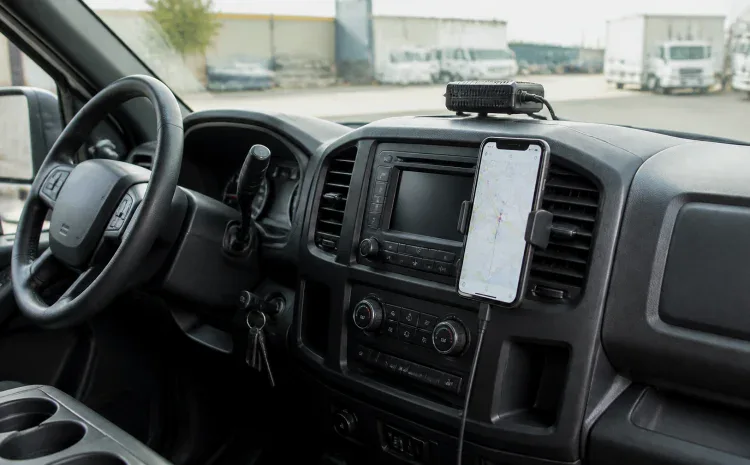
- Other aftermarket car electronics can support communication, safety, and driver convenience.
The installation itself is just as important as the equipment. Fleet vehicles work in demanding conditions, and poorly positioned or loosely secured electronics can create noise, damage, interference, or service problems.
Professional installation should account for the vehicle’s interior layout, power connections, driver access, equipment storage, and the demands of daily commercial use. It should also leave the vehicle looking clean and organized rather than adding unnecessary wiring or visible hardware.
Protecting Driver Privacy and Building Trust
Fleet tracking should be introduced with clear communication. Drivers should understand what information is collected, why it is collected, and how it will be used.
A practical fleet policy may explain:
- When tracking is active
- Which vehicle and driving information is recorded
- How the data supports safety, dispatch, maintenance, or theft recovery
- Who can access the information
- How long records are retained
- What happens when a vehicle is used outside working hours
Clear policies help distinguish legitimate fleet management from unnecessary personal monitoring. They also make it easier for managers to use telematics data consistently and fairly.
Choosing a Calgary Installation Partner
Fleet technology needs to fit the vehicles and the business using it. A small plumbing fleet may have different priorities from a regional delivery company, construction contractor, or mobile service operation.
When comparing installation providers, look for a team that can:
- Review your fleet’s vehicle types and operating patterns
- Recommend equipment based on practical business needs
- Install electronics cleanly and securely
- Consider connectivity challenges outside Calgary
- Integrate security, tracking, and communication equipment where appropriate
- Provide personalized service for different makes and models
Wright ReStyling has been family-run since 1999 and has restyled more than 10,000 vehicles. Its commercial vehicle solutions include GPS tracking, log devices, and cell boosters for fleet applications, along with vehicle security and other aftermarket electronics.
Final Thoughts
For Calgary fleet managers, GPS tracking, ELDs, and cell boosters can form the foundation of a smarter commercial vehicle strategy. The right setup can improve visibility, support applicable compliance requirements, strengthen communication, protect valuable assets, and help your team work more efficiently across Alberta.
If you are planning a fleet electronics upgrade, contact Wright ReStyling to discuss your vehicles, routes, and operational priorities. A personalized installation plan can help you choose practical technology without adding unnecessary complexity to your fleet.